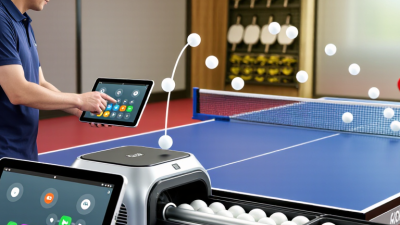
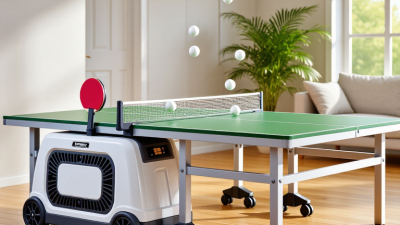
What Is a Low-Noise Ping Pong Training Machine?
A Low-Noise Ping Pong Training Machine is designed to return balls with less disruptive sound than many conventional training robots. Its motor, feeding wheels, frame, and ball-collection system all affect the noise a player hears. In a small apartment or shared training room, that difference can matter. The sound may come from more than the motor. Ball impact, table vibration, and loose parts can add sharp clicks or rattles.
Quiet helps. It can make longer practice sessions easier when players train near family, neighbors, or other athletes. Still, “low-noise” is not a universal measurement, so product claims deserve careful checking. A useful machine should provide repeatable feeds, adjustable speed and spin, and dependable placement—not merely a softer hum. Players should also consider whether the unit fits their table, skill level, and available space.
When comparing models, look for sound measurements and the conditions under which they were recorded. Distance, room acoustics, and ball speed can change the result. A demonstration may offer a helpful impression, but a quiet video cannot fully represent every home or gym. If no decibel rating is available, ask about testing details and listen for rattling or inconsistent feeding. Small details matter. A machine may sound gentle at low speed yet become more noticeable during fast drills. That trade-off is easy to overlook. This guide explains what low-noise design can mean, which features to assess, and how to choose a machine that suits realistic practice needs.
Definition and Purpose of a Low-Noise Ping Pong Training Machine
A low-noise ping pong training machine is a ball-feeding device designed to keep practice sounds less disruptive. It sends balls across the table at adjustable intervals, speeds, and angles. Its noise may come from the feed wheels, motor, frame vibration, and each ball striking the table. “Low-noise” is not a universal technical category, so the label alone does not prove a machine meets a particular decibel limit. The purpose is practical: let players repeat footwork and stroke drills without adding unnecessary mechanical noise to a home, club, or shared training space. Quieter operation matters most during long sessions or in rooms with hard floors and bare walls, where sound can feel sharper.
A useful reference point is the World Health Organization’s Environmental Noise Guidelines for the European Region (2018). For long-term outdoor exposure, it recommends keeping road-traffic noise below 53 dB Lden and 45 dB Lnight. These are environmental recommendations, not limits for ping pong machines, and the settings are not directly comparable. Still, they show why noise should be measured and described carefully. Ask for a sound reading, including distance and operating mode; a number without test conditions can mislead. Listen for rattling, too. A machine may sound quiet at idle, then clatter when balls feed rapidly. And one detail is easy to overlook: quieter equipment can support concentration, but it cannot make every room acoustically calm.
Key Components and How They Reduce Noise
What Is a Low-Noise Ping Pong Training Machine?
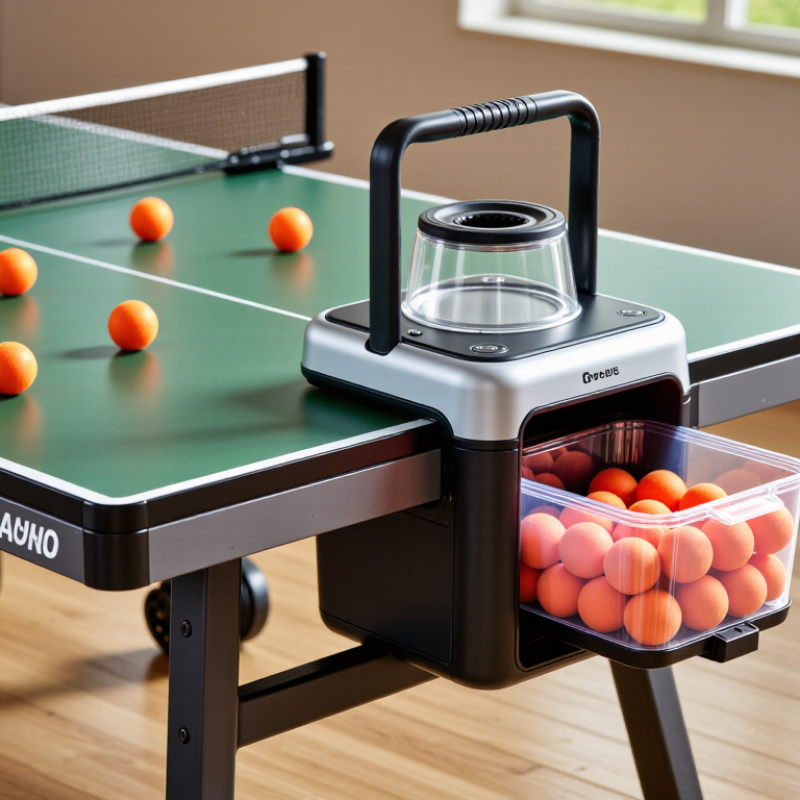
A low-noise ping pong training machine limits sound at its main sources: the motor, moving parts, and ball impact. A well-balanced motor produces less vibration than one that shifts or rattles during operation. Rubber isolation mounts can keep that vibration from traveling through the frame and onto a hard floor. The machine will not be silent. But it can sound less harsh.
Key Components and How They Reduce Noise
A smooth ball-feeding wheel helps guide balls without repeated scraping or clacking. A covered drive mechanism can soften mechanical sounds, while a sturdy frame prevents loose panels from buzzing. Some models use damping material around the ball outlet, where balls strike plastic or metal surfaces. These details matter in a small room, where hard walls can amplify sharp impacts. One trade-off is easy to miss: extra padding may soften the sound but can also affect how reliably balls feed. Design needs balance.
Tips: Place the machine on a level surface, then check for loose screws and panels. Keep feed wheels clean; dust can cause uneven movement. If the sound changes suddenly, pause and inspect before adjusting the speed. Small changes matter. A quieter setup still needs regular care, and even a well-made machine may sound different on a hollow floor than on a rubber mat.
What Is a Low-Noise Ping Pong Training Machine? - Key Components and How They Reduce Noise
| Component |
Common Noise Source |
How It Helps Reduce Noise |
What to Check |
| Brushless or well-balanced drive motor |
Motor vibration, bearing friction, and uneven rotation |
A smoothly rotating motor with sound bearings can reduce mechanical vibration and the humming or rattling associated with poorly balanced parts. |
Listen for a steady sound during operation; check that the motor housing and fasteners do not vibrate or rattle. |
| Isolated motor mounts |
Vibration traveling from the motor into the frame |
Rubber or elastomer mounts can absorb some vibration before it reaches the machine frame and nearby surfaces. |
Look for secure, intact mounts that are not compressed, cracked, or loose. |
| Smooth ball-feed wheels |
Ball impacts, wheel friction, and inconsistent feeding |
Evenly aligned wheels and controlled contact help feed balls consistently, reducing abrupt impacts and unnecessary friction. |
Check that the wheels are clean, aligned, and free from visible wear or damage. |
| Dampened ball collection tray |
Balls bouncing against a hard plastic or metal surface |
A padded or flexible contact surface can soften ball impacts and limit sharp clicking sounds. |
Inspect the tray lining and make sure it stays in place during use. |
| Rigid, well-fitted housing |
Loose panels resonating or buzzing during operation |
A stable enclosure with properly fitted panels is less likely to vibrate or amplify internal mechanical sounds. |
Check for loose screws, gaps, and panels that buzz when the machine is running. |
| Stable base and contact points |
Machine movement, floor vibration, or frame resonance |
A level base and vibration-damping feet can reduce movement and limit vibration transmitted to the floor. |
Place the machine on a firm, level surface and confirm that all feet make stable contact. |
| Low-impact ball path |
Balls striking sharp edges or hard internal surfaces |
Smooth guides and carefully positioned deflectors help direct balls without unnecessary collisions. |
Check that guides are secure and that balls travel through the feeder without repeated hard impacts. |
| Adjustable feed rate |
Rapid, repeated ball impacts and increased operating activity |
A slower feed setting reduces how often the machine launches balls, which can lower the overall level of repeated impact noise. |
Use a feed rate suited to the training drill and room environment. |
How the Machine Delivers and Controls Practice Shots
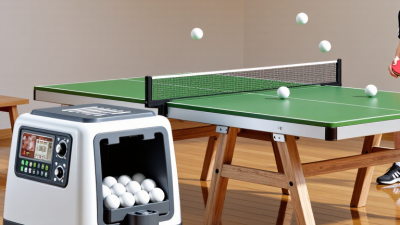
A low-noise ping pong training machine reduces mechanical sound while feeding repeatable practice shots.
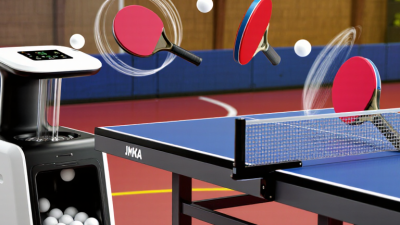
A hopper holds the balls, and powered wheels or rollers propel them toward the player. Feed controls set the interval; angle and oscillation controls change placement. Some machines also adjust speed and spin. The sound is quieter, not silent: ball impact and table bounce remain audible.
Shot consistency depends on setup as well as controls. The ITTF Laws of Table Tennis, section 2.3.1, specify a ball diameter of 40 mm and a weight of 2.7 g. These standards give operators a useful baseline when choosing approved practice balls and checking feed reliability.
Set the machine’s height and aim, then test a short sequence before increasing pace. Aiming at the backhand corner, for example, can reveal whether the head oscillates evenly. In real practice, placement may still drift. Recheck it.
Tips: Start with a slow feed and one placement. Listen for changes in motor noise, and watch for irregular ball spacing. If a ball clips the net, adjust the launch angle before raising speed.
Training Uses for Different Skill Levels
What Is a Low-Noise Ping Pong Training Machine?
Training Uses for Different Skill Levels
A low-noise ping pong training machine reduces operating and ball-feed noise, making practice more comfortable in shared rooms. Quietness alone, however, does not make training effective. The ITTF Laws of Table Tennis specify a ball diameter of 40 millimeters and a weight of 2.7 grams. Matching the machine to standard balls helps keep practice consistent; it does not guarantee realistic spin or bounce.
Beginners benefit from slow, predictable feeds to one spot. They can focus on a relaxed grip, balanced stance, and clean contact. Keep it simple. As control improves, alternate forehand and backhand placements, then add topspin or backspin. Experienced players can use irregular placement and faster feeds to rehearse recovery between shots. Yet a machine cannot read an opponent or reproduce every match situation. That matters.
For longer practice sessions, break drills into short blocks and pause when technique slips. The World Health Organization’s 2020 physical activity guidelines recommend 150–300 minutes of moderate-intensity activity weekly for adults. Machine practice may contribute, depending on its intensity, but it is not automatically a full workout. I would review each drill after a few minutes: if the player is reaching awkwardly or losing control, lower the pace. A quieter session is useful; a thoughtful one is better.
Features to Consider When Choosing a Machine
When choosing a low-noise ping pong training machine, check how its sound is measured. A decibel rating is useful only when you know the distance and operating setting. Ask whether the figure reflects normal ball feeding, not an unusually quiet mode. Listen before buying. A steady motor hum is often easier to tolerate than sharp clicks from the feeder or balls striking a hard table.
Look for adjustable speed, frequency, and ball placement, so practice stays useful as your skills change. A stable base can reduce rattling, while rubber feet may limit vibration traveling through the floor. Small details matter. Check whether the ball container is easy to refill and whether controls are simple to reach between drills. If possible, test the machine in a room similar to yours; bare walls and hard floors can make even a quiet unit sound louder. I would not choose by noise rating alone. A quieter machine that feeds inconsistently may interrupt practice more than a slightly louder, reliable one. Real rooms are imperfect, and product descriptions rarely capture every sound.