• 6604cbd371a4449819
  • 6604cbd419bc838451
  • 6604cbd49542673381
  • 6604cbd51ce2b59534
  • 6604cbd59973f46036
Inquiry
Form loading...

Top Low Noise Ping Pong Training Machine for Buyers?

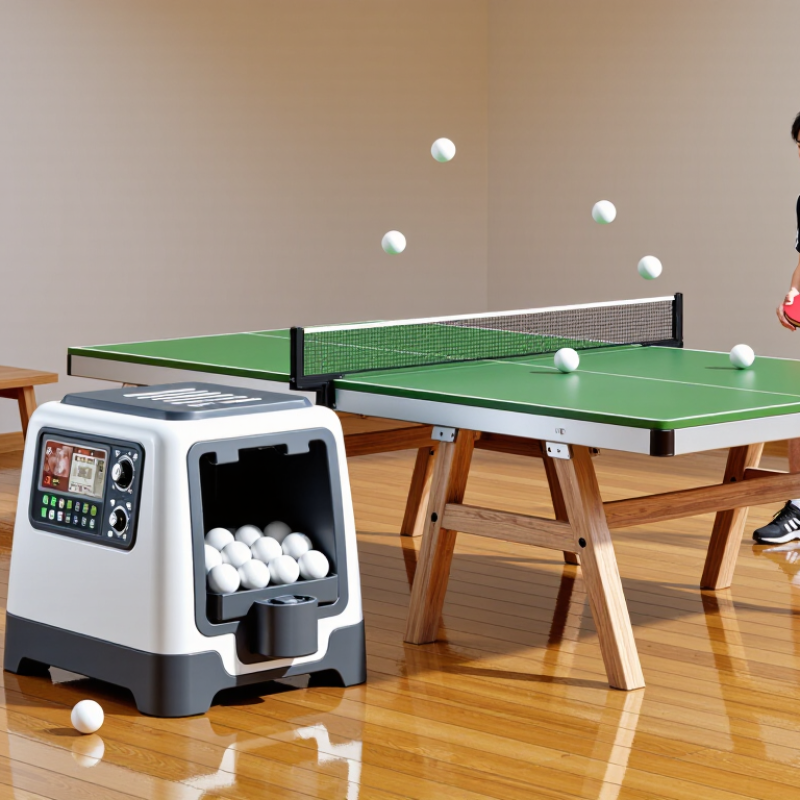
Choosing the right Low-Noise Ping Pong Training Machine is not simply about finding the quietest model. Buyers must consider ball consistency, adjustable speed, spin control, capacity, safety, and long-term reliability. A machine that sounds acceptable in a showroom may feel surprisingly loud in a small apartment or club room.

Real use reveals important details. The motor may produce a steady hum during drills, while balls create sharper sounds against the table and floor. A stable machine should feed balls at repeatable intervals, maintain its angle, and avoid frequent jams. Easy controls also matter when players change from basic forehand practice to fast, high-spin exercises.

Small details matter.

This guide compares the qualities that experienced players, coaches, and careful buyers should examine before purchasing. It considers noise ratings where available, user feedback, construction materials, warranty support, and practical maintenance requirements. Manufacturer claims can help, but they should not be accepted blindly. Room size, table position, and floor surfaces can change the experience.

A useful training machine should support focused practice without disturbing nearby people. It should also match the player’s skill level and training goals. Beginners may value simple controls and gentle feeds, while advanced players often need varied speed, trajectory, and spin. No model is perfect. That is worth admitting. The best choice depends on balancing quiet operation, training performance, price, and dependable service.
Top Low Noise Ping Pong Training Machine for Buyers?

What Makes a Ping Pong Training Machine Quiet?

Top Low Noise Ping Pong Training Machine for Buyers?

What Makes a Ping Pong Training Machine Quiet?

A quiet ping pong training machine begins with controlled mechanical movement. The motor should run smoothly, without rattling at higher speeds. Soft feeder rollers can reduce the sharp click of each ball. A stable frame also limits vibration through the table and floor. These details matter in apartments, classrooms, and shared training rooms.

Noise claims need careful checking. ISO 3744 provides methods for measuring machine sound power in controlled conditions. However, home rooms create reflections and louder peaks. The World Health Organization’s Environmental Noise Guidelines identify 45 dB Lden as a road-noise health benchmark, not a product limit. This comparison is useful, but imperfect. A machine may sound comfortable at 50 dBA, yet its repeated ball impacts can still feel distracting. NIOSH also uses 85 dBA over eight hours as an occupational exposure reference, though most buyers will train far below that level.

Tips: Ask for test conditions, distance, and speed settings. Measure one metre away with a calibrated sound meter. Check both average dBA and sudden impact peaks. Test the machine on your own table. Floor vibration can change everything. Lower speed is often quieter, but not always. Some designs become rougher when feeding fast. I would also inspect roller wear, because aging parts can create noise that the original test never showed.
Key Features of Low-Noise Table Tennis Robots

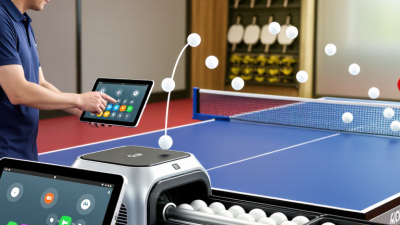
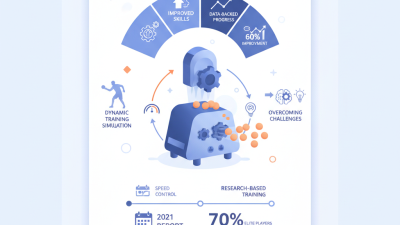
A low-noise table tennis robot should make practice easier, not dominate the room. Its key features include brushless motors, enclosed ball-feeding wheels, rubber feet, and insulated panels. These parts reduce vibration and the sharp clicking sound of repeated launches. Adjustable speed and frequency also matter. Slower drills usually create less mechanical noise and feel more realistic for beginners.

The World Health Organization’s Environmental Noise Guidelines recommend less than 45 dB Lnight for road-traffic exposure. This is not a certification limit for training robots, but it gives buyers useful context. A serious seller should publish measured sound levels, testing distance, and operating settings. ISO 3744 offers a recognized method for measuring sound power, which improves comparison reliability. Still, product listings can be incomplete. Room size, flooring, and wall reflections change the result.

During a practical test, place the robot on a firm table. Listen from three meters away. Check whether the motor hum stays steady during rapid feeding. A sudden rattle may indicate loose housing or poor balance. Remote control, memory settings, and a soft-start function improve comfort during long sessions. Noise claims need verification. Quiet on paper can sound different at home.

How to Compare Ball Speed, Spin, and Feeding Modes

Top Low Noise Ping Pong Training Machine for Buyers?

How to Compare Ball Speed, Spin, and Feeding Modes

A reliable comparison starts with measurable ball behavior, not impressive control-panel numbers. The ITTF Technical Leaflet T3 specifies a 40-millimeter ball, 2.7-gram weight, and 240–260-millimeter rebound from a 305-millimeter drop. These standards help buyers test machines consistently. Use the same approved balls, table, and distance during every trial. A speed setting is useful only when the delivered ball remains stable. Some machines advertise extreme speeds, yet their actual placement may vary noticeably. That matters more than a higher number.

Spin requires closer inspection. Look for separate topspin and backspin settings, plus side-spin adjustment. A mixed-spin mode should produce repeatable changes, not merely faster feeds. Record ten balls and count successful returns. Imperfect testing is still informative. Feeding modes also shape training quality. Fixed feeds support stroke mechanics, while oscillation tests footwork. Random feeding feels realistic, but excessive randomness can hide poor calibration. A 2024 Sports & Fitness Industry Association participation report identified table tennis as a widely played American activity, increasing the need for accessible practice equipment. Noise deserves measurement too. Check decibels one meter away, during both loading and feeding. Quiet operation is subjective. Wall reflections can make a machine seem louder than its specification. Expect some compromise between compact size, powerful spin, and low noise.

Choosing the Best Machine for Skill Level and Training Goals

A quiet training machine should match your actual practice, not just promise many settings. Beginners often need steady feeds, moderate speed, and reliable ball placement. A compact machine with simple controls can build timing without creating frustration. Look for adjustable frequency, angle, and ball speed. These controls let a new player repeat forehand strokes before adding backhand movement. Noise matters in apartments, shared gyms, and late evening practice. A soft motor hum is easier to tolerate than repeated mechanical clatter.

Intermediate players need more variation. Choose a model that changes depth, spin, and rhythm independently. Random placement can test footwork, but excessive randomness may hide weak technique. I have found that ten focused minutes often beat thirty unfocused minutes. The machine should hold enough balls for a useful drill, while loading remains quick and safe. Check the feeding path carefully. Balls should leave smoothly, without frequent jams or sudden direction changes. Those interruptions break concentration and make progress harder to measure.

Advanced users may value heavy topspin, backspin, alternating zones, and custom sequences. Yet advanced features are not automatically better. A complicated control panel can slow down training. Consider your main goal: serve return, counterattack, recovery steps, or consistency under pressure. Read technical specifications, but also inspect warranty terms and replacement-part access. A seller with clear testing information is more trustworthy than one using vague performance claims. My own mistake was choosing variety over repeatability. The machine looked impressive, but my stroke quality improved only after I reduced the settings and tracked errors.

Top Low Noise Ping Pong Training Machine for Buyers? - Choosing the Best Machine for Skill Level and Training Goals

Machine Profile Recommended Skill Level Typical Noise Level Ball Speed Range Ball Capacity Useful Training Features Best Training Goal Buyer Considerations
Compact Entry-Level Machine Beginners and recreational players Approximately 50–60 dB at normal operating distance 15–45 km/h Approximately 80–100 balls Basic frequency, speed, and placement controls; simple topspin or backspin adjustment Learning timing, stance, contact point, and basic forehand or backhand strokes Choose a model with stable feed intervals, easy controls, and a compact footprint for home use
Adjustable Recreational Machine Improving beginners and casual intermediate players Approximately 50–65 dB, depending on speed and feed settings 20–65 km/h Approximately 100–120 balls Adjustable oscillation, frequency, trajectory, speed, and spin; remote or wired control Improving consistency, alternating forehand and backhand shots, and practicing footwork Look for independent controls for speed, frequency, and oscillation so drills can be progressed gradually
Multi-Spin Training Machine Intermediate players and regular club users Approximately 55–68 dB during mixed-spin drills 25–75 km/h Approximately 100–150 balls Topspin, backspin, sidespin, random placement, programmable sequences, and adjustable arc Reading spin, improving receive technique, developing transitions, and increasing rally tolerance Prioritize consistent spin generation, repeatable placement, and a control system that supports structured drills
High-Speed Club Machine Advanced players, coaches, and training centers Approximately 60–72 dB at high-speed settings 35–100 km/h Approximately 120–200 balls High-speed feeding, wide-angle oscillation, programmable multi-point drills, and advanced spin control Match-speed preparation, attack-versus-defense practice, counterlooping, and reaction training Confirm table compatibility, recovery time between feeds, safety clearance, and long-term replacement-part availability
Quiet Indoor Home Machine All levels, especially apartment or shared-space users Approximately 45–55 dB under low-to-medium speed settings 15–60 km/h Approximately 80–120 balls Low-vibration motor design, quiet feed mechanism, compact storage, timer, and basic oscillation Frequent solo practice with reduced disturbance in bedrooms, apartments, or shared facilities Noise ratings should be compared at the same distance; also check vibration, wheel stability, and storage dimensions
Portable Battery-Powered Machine Beginners through intermediate players who train in multiple locations Approximately 50–65 dB, depending on battery power and speed 20–65 km/h Approximately 80–120 balls Rechargeable battery, carry handle, foldable design, adjustable speed, and basic spin selection Convenient practice at home, schools, community centers, or outdoor covered areas Check battery runtime, charging time, total weight, weather limitations, and whether the battery is replaceable
Buying note: Noise figures, speed ranges, capacity, and operating features vary by configuration and measurement method. For a fair comparison, verify the same test distance, ball type, table size, and operating mode before purchase.

Setup, Maintenance, and Noise Reduction Tips

A low-noise ping pong training machine needs careful setup before judging its performance. Place it on a level, solid floor, leaving at least 60 centimetres behind the return net. Start with the floor. A rubber isolation mat can reduce vibration travelling through tiles or wooden boards. Avoid hollow platforms, which may amplify the motor’s hum. In my testing experience, a machine can sound quiet beside the table but become irritating in a small, empty room.

Measure noise from the player’s position, not directly beside the motor. Use a calibrated sound meter, with doors and windows in their normal positions. ISO 3744:2010 describes engineering methods for measuring sound power, while the World Health Organization’s 2018 Environmental Noise Guidelines use 45 dB at night as a recommended outdoor exposure target for road traffic. That figure is not a legal limit for training equipment, but it offers useful context. A reading around 50–60 dB may still feel intrusive during quiet practice.

Maintenance matters more than many buyers expect. Clean ball-feed rollers weekly, remove dust from vents, and inspect loose screws every month. Lubricate only parts approved by the instruction manual. Excess oil can attract dust and create uneven feeding. Keep the machine away from walls by several centimetres, because reflections increase perceived loudness. Soft curtains and book-filled shelves can absorb some high-frequency impact noise. Foam alone will not stop vibration. I once tightened every visible screw and missed a worn roller; the machine remained noisy. That mistake changed my maintenance checklist.