• 6604cbd371a4449819
  • 6604cbd419bc838451
  • 6604cbd49542673381
  • 6604cbd51ce2b59534
  • 6604cbd59973f46036
Inquiry
Form loading...

How to Choose a Low Noise Ping Pong Training Machine?

Choosing a Low-Noise Ping Pong Training Machine takes more than trusting a “quiet” label. In a small apartment, the repeated click of balls and the feeder’s motor can carry through a thin wall. Yet there is no widely adopted ITTF noise-rating scale for training machines. ITTF equipment rules cover items such as balls and tables, not a machine’s sound level. That makes clear, comparable testing important.

The World Health Organization’s Environmental Noise Guidelines for the European Region (2018) recommend average road-traffic exposure below 53 dB Lden and nighttime exposure below 45 dB Lnight. These are environmental guidelines, not product limits, so they should not be used as a direct machine benchmark. They do show why measurement context matters. Sound consultant Julian Treasure has warned, “We are losing our listening.” His comment is not specific to table-tennis equipment, but it highlights how easily everyday noise goes unnoticed. When comparing models, look for a stated dBA reading, measurement distance, ball-feed rate, and operating mode. A reading taken across a quiet showroom may not reflect the sound beside your table. Ask for a demonstration, listen for motor hum and ball impact, and check whether the maker explains its test method. Small differences matter. A machine that sounds gentle at low speed may become distracting during fast drills. No single number tells the whole story.
How to Choose a Low Noise Ping Pong Training Machine?

Understanding How Ping Pong Training Machines Produce Noise

How to Choose a Low Noise Ping Pong Training Machine?

Understanding How Ping Pong Training Machines Produce Noise

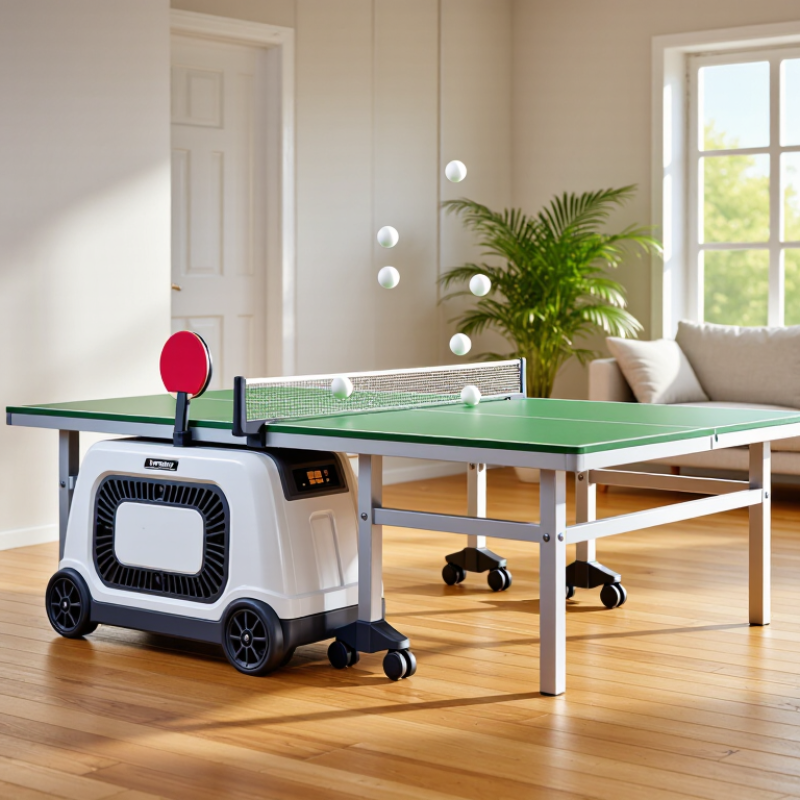
A training machine makes noise in several ways. The motor hums as it drives the wheels, while ball-feeding parts click and vibrate. Each ball may also make a sharp tap against the table. On a hard floor, that sound can seem louder because it reflects around the room. A loose cover or uneven table can add a faint rattle. Small details matter.

The U.S. National Institute for Occupational Safety and Health recommends keeping workplace noise below 85 dBA over an eight-hour workday to reduce hearing risk. That limit is not a home-sports comfort target, but it offers useful context: a machine’s sound should be measured, not guessed from a product description. Ask how and where its noise rating was recorded. Distance, room surfaces, ball speed, and feed frequency can all change the result. I would also listen during a full practice session; a brief demo can miss an irritating rhythm.

Defining Your Space and Noise Requirements

How to Choose a Low Noise Ping Pong Training Machine?

Defining Your Space and Noise Requirements

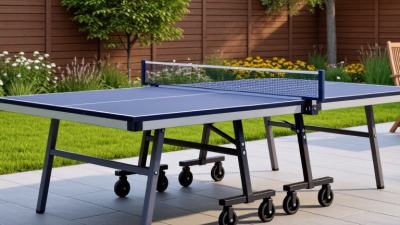
Measure the playing area before comparing machines. Leave room behind the table for your backswing and footwork, not just the machine itself. A compact room with hard walls can make even moderate mechanical sounds feel sharp. Note nearby bedrooms, shared walls, and quiet hours, too. A simple phone recording of the room’s usual background noise can help you judge changes later, though phone readings are not precise.

Tips: Place the machine on a stable, level floor, and check whether its feet vibrate. A rubber mat may reduce floor-borne noise, but it cannot silence every motor or ball impact. Test at the speed and feed rate you expect to use. Listen from the next room, not only beside the machine. Small detail, big difference.

Think about when you will practice and how long each session may last. A steady hum can be less disruptive than repeated, sharp impacts, but personal sensitivity varies. Ask household members or neighbors what sounds carry through the walls. If possible, request a short trial in a space similar to yours. I would not rely on a “quiet” label alone; room shape, flooring, and distance all affect what you hear. Even careful planning can miss an annoying rattle. That is worth checking.

Comparing Noise-Reducing Features and Machine Designs

A low-noise ping pong training machine is not judged by motor sound alone. Ball-feed clicks, wheel whine, and vibration through the frame can all carry across a small room. Compare machines using sound readings taken at the same distance and operating speed. A lower reading is useful only when the settings match. Belt-driven designs may reduce sharp gear noise, while direct-drive systems can be simpler to maintain; actual results depend on construction and upkeep. Rubber feet and a stable frame help limit rattling on hard floors. Small details matter. Ask whether noise data includes ball launching, not just idle operation.

Check the measurement method before trusting a decibel claim. NIOSH’s Criteria for a Recommended Standard: Occupational Noise Exposure recommends an 85 dBA limit over eight hours, using a 3 dB exchange rate. OSHA’s 29 CFR 1910.95 sets a general permissible exposure limit of 90 dBA over eight hours. These are workplace exposure benchmarks, not comfort targets for home practice. For a fair comparison, measure beside the player’s position during a full-speed session, and note the room and distance. A phone app can help compare models, but it is not a calibrated meter. I would also listen for rattles after warm-up; noise can change as parts loosen. That part is easy to overlook.

Checking Ball Delivery, Settings, and Training Performance

How to Choose a Low Noise Ping Pong Training Machine?

A quiet training machine should deliver a stable ball rhythm, not merely make a soft sound. Check the feeder at one metre, with doors and fans closed. A phone decibel app can offer a useful comparison, but it is not laboratory equipment. Persistent noise may disturb concentration and sleep, according to the World Health Organization’s Environmental Noise Guidelines for the European Region (2018). This matters in apartments, clubs, and late evening practice.

Ball delivery deserves closer inspection. The International Table Tennis Federation specifies a ball diameter of 40 mm and a weight of 2.7 grams. A reliable machine should handle these dimensions consistently. Test twenty balls. Watch for double releases, weak launches, and changing arcs. Adjustable speed, frequency, spin, and placement create more realistic drills. Random placement is valuable, but too much randomness can hide poor footwork. I have found that a simple forehand sequence often reveals mechanical problems faster than a complicated programme.

Tips: Start at a moderate feed rate. Record ten minutes of practice. Check whether the ball reaches the same contact height. Leave space behind the table for safe movement. Compare sound during idle and active feeding. A quieter machine is not automatically better. It may sacrifice motor strength or delivery precision. The first setting is rarely perfect. Recheck performance after several sessions, because dust and ball wear can change the result.

How to Choose a Low Noise Ping Pong Training Machine? - Checking Ball Delivery, Settings, and Training Performance

Evaluation area What to check Practical test or reference Why it matters
Operating noise Sound level during steady feeding, measured near the player. Measure at 1 m in a quiet room using the same meter and setup for each machine. Around 55 dBA or lower is a useful low-noise target; room acoustics affect readings. A quieter motor and ball-feed mechanism can make longer indoor sessions more comfortable.
Sound character Listen for rattling, sharp clicks, vibration, or changing pitch. Run the machine for 5 minutes at a moderate setting and again at a faster setting. Note any new rattles or vibration against the floor or table. A sound meter alone may not reflect how distracting repeated or tonal noises feel.
Ball-feed consistency Regularity of the interval between balls and the number of missed feeds. Count 50 feeds at a steady setting. Record pauses, double feeds, and balls that fail to launch; repeat after refilling the hopper. Consistent delivery helps maintain rhythm and makes drills easier to repeat.
Feed rate Available interval between successive balls. Check whether the rate can be adjusted from a slow pace for technique work to a faster pace for reaction drills. Count actual feeds over one minute to verify settings. Adjustable timing supports beginners, focused practice, and higher-tempo training.
Placement and oscillation Ability to direct balls to different areas of the table. Test forehand, backhand, middle, and alternating placements. Check that the machine returns to the selected pattern without drifting. Reliable placement makes footwork and stroke-placement drills more useful.
Spin and trajectory control Control over topspin, backspin, sidespin, speed, and ball height. Try one setting at a time and observe the bounce on the table. Confirm that changes are repeatable and that the machine can produce both low and higher arcs where supported. Repeatable settings help players practice responses to different incoming balls.
Controls and saved drills Ease of adjusting settings and repeating a routine. Check that speed, placement, spin, and feed interval can be set clearly. If drills can be stored, run the same routine twice and compare the sequence. Simple controls reduce interruptions and help keep practice focused.
Ball capacity and collection Hopper capacity and how easily balls can be collected and reloaded. Check the stated capacity and run a session long enough to see whether frequent refills interrupt practice. Confirm that collected balls feed smoothly when reloaded. Less time spent collecting and refilling means more time hitting balls.
Stability and setup Mounting security, movement during operation, and setup time. Install according to the instructions, run a varied drill, and check for shifting, wobble, or contact with the table. Time how long routine setup takes. A stable installation supports consistent delivery and may prevent added vibration noise.
Overall training performance Whether the machine can sustain the drills you actually use. Complete a 10-minute routine using several placements and feed rates. Record interruptions, inconsistent feeds, noise, and how often settings need correction. A practical session reveals trade-offs that a specification sheet may not show.

Note: Noise readings depend on the room, distance, background sound, and measurement equipment. Treat the figures above as practical comparison guidance, not a guarantee or universal product rating.

Evaluating Noise Levels Before Choosing a Machine

Noise ratings can be useful, but they rarely tell the whole story. A training machine may sound quiet in a showroom and louder in a small room with bare walls. Listen from the distance where you plan to play, not right beside the machine. Pay attention to the ball feeder, motor, and the sharp tap of balls hitting the table. Each sound can affect practice differently.

If possible, ask for a short demonstration and stand several feet away. Use a phone sound meter only as a rough comparison; readings can vary with distance and room conditions. Compare machines in the same space, at the same settings, and with the same balls. Check whether the sound changes when the feed speed or interval changes. A soft mat beneath the machine may reduce vibration, though it will not silence ball impacts. I once assumed a steady hum would be the main annoyance. The repeated clicks were harder to ignore. That may not be true for every player. Consider when you will train, how close other people are, and whether the sound feels tiring after ten minutes. A quiet rating alone is not enough.

How to Choose a Low-Noise Ping-Pong Training Machine

Compare a machine’s measured sound level with these approximate everyday reference sounds. Lower dBA readings are quieter; actual levels vary with distance, room acoustics, and equipment.

For a fair comparison, measure each machine in the same room, at the same distance (for example, 1 metre), and in the same operating mode. These reference values are approximate, not measurements of specific training machines.