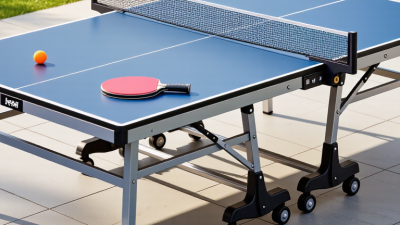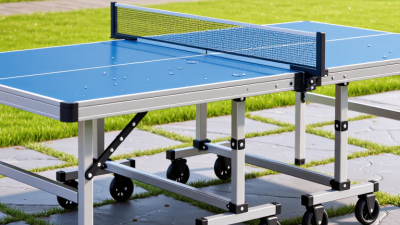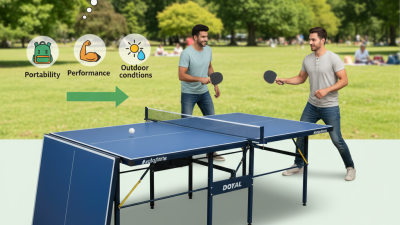
A Foldable Outdoor Table Tennis table is a portable ping-pong table designed for patios, gardens, and other open-air spaces. Unlike a fixed indoor model, it can fold for storage and often has wheels for easier movement. Each half may fold upward, allowing one person to practise returns while the other side stays upright. Convenient. Still, folding systems and locking mechanisms vary by model, so check how the table secures before playing.
“Outdoor” does not always mean weatherproof in every condition. Sun, moisture, and temperature changes can affect materials over time, so follow the maker’s care instructions and store the table under cover when practical. A level, firm surface helps prevent wobbling; uneven lawn can make play less predictable. Look for a sturdy frame, secure hinges, reliable wheel locks, and a playing surface made for outdoor use. Check whether the net is removable and whether the folded table fits your available storage space. Before play, confirm that both halves are locked open and leave enough room around the table for movement. The best choice depends on who will use it, how often it will move, and where it will be stored. A lighter table may be easier to handle, but can feel less stable in breezy conditions. Foldable Outdoor Table Tennis offers practical flexibility, though portability is only useful when setup, stability, and care suit your space. One detail is easy to miss: convenience cannot replace a safe, level playing area.
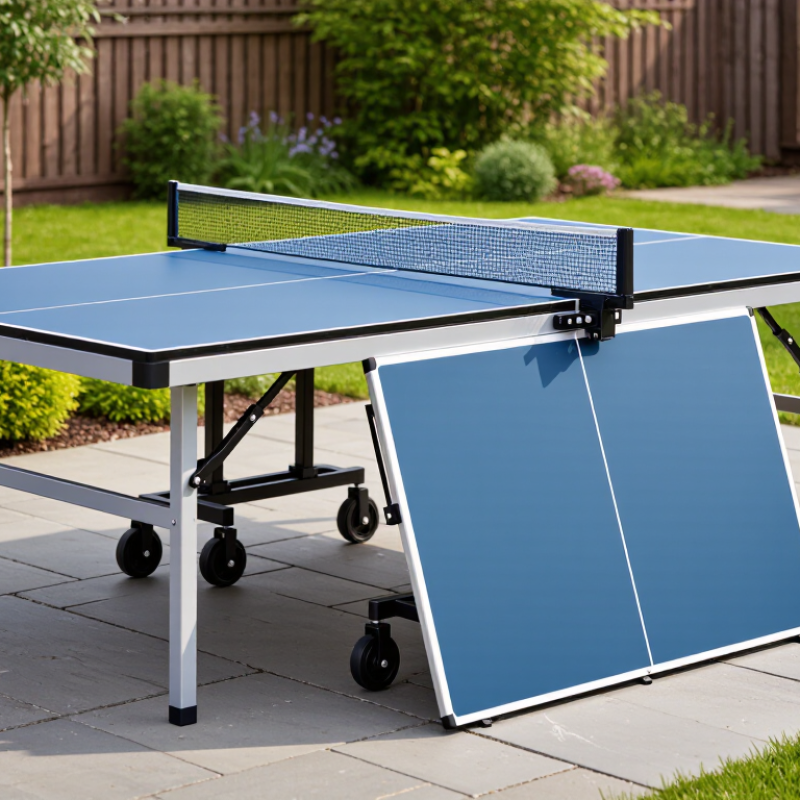
A foldable outdoor table tennis table is a portable playing surface built for patios, yards, and shared recreation areas. Its halves fold upward for storage, while wheels help one person move it across a hard, level surface. The ITTF specifies a standard table measuring 2.74 metres long, 1.525 metres wide, and 76 centimetres high. Outdoor models often follow that footprint, though their tops and frames may use weather-resistant materials rather than indoor finishes. The practical purpose is simple: bring a familiar game outside, then reclaim the space when play ends.
Participation data helps explain the appeal. The SFIA 2024 Topline Participation Report estimated 22.3 million U.S. table tennis participants in 2023. That figure counts people who played during the year; it does not prove that outdoor tables caused participation. Still, a foldable table can make casual play easier at family gatherings or community events. A locking frame, stable legs, and weather-resistant surface matter more than flashy features. Check the table’s stability before play. “All-weather” can sound absolute, but prolonged sun, pooled water, and wind can still wear materials down. A cover helps, though it is not magic.
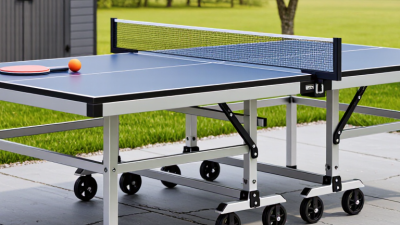
A foldable outdoor table tennis table combines a weather-resistant playing surface with a frame designed for movement and storage. Many models use resin or coated composite panels, supported by a steel undercarriage. Sealed edges help limit moisture entry, though small chips can still expose vulnerable material. The surface should feel even beneath your hand, without raised seams or soft spots.
Each tabletop half connects to a folding frame with hinges, braces, and locking mechanisms. These parts keep the panels upright during storage and stable during play. Check that the locks engage firmly and that the legs sit evenly on the ground. Swivel wheels make repositioning easier, but larger wheels generally handle patio joints and rougher paving better. A removable, adjustable net adds convenience; its posts should grip securely without bending the table edge.
Tips: Before play, open both halves fully and test the safety locks. Roll the table slowly over uneven ground. Keep it covered when not in use, and avoid leaving water around the frame. I would still inspect hinge bolts occasionally; folding parts can loosen with regular use.
A foldable outdoor table tennis table uses a frame and hinge system to let each tabletop half move between playing and storage positions. Many models have a central joint, support braces, and wheels beneath the frame. When the braces lock open, they help keep the playing surface level. The precise design varies, so the maker’s instructions matter.
To store the table, release the locking mechanism and raise one half at a time. On many designs, the halves fold upright and roll on their wheels, taking up less floor space. Keep fingers clear of hinges and braces as the frame moves. Check that each half is secured before leaving it folded. A latch that looks engaged may need a firm visual check.
The mechanism is practical, but not effortless. Outdoor grit can collect around wheels or joints, and a sloped surface may make the table harder to control. Move it slowly, especially through a doorway, and avoid pulling from the tabletop edge. It is easy to assume folding is a one-person task; larger tables can be awkward, so follow the handling guidance supplied with the table.
A foldable outdoor table tennis table is built to handle changing conditions, but “weather-resistant” does not mean waterproof. Many models use an aluminum-composite or resin-laminate playing surface, which is less prone to swelling than untreated wood. UV-resistant coatings can slow fading and surface damage from sunlight. Check the edges, too: water entering an exposed seam may cause trouble over time. Not indestructible.
The frame often uses coated or galvanized steel, while plastic fittings resist rust better than untreated metal. Hinges and locking points deserve attention because grit and moisture can collect there. After a damp match, wipe the surface and let it dry before folding the table away. A cover helps, though trapped condensation can still form underneath. Small detail, big difference.
I’d also consider where the table will stand. A patio with steady afternoon sun is harder on a surface than a shaded yard, and strong gusts can move a folded table. Weather-resistant materials reduce upkeep; they do not remove it. Some outdoor tops feel slower or less crisp than indoor surfaces, so the trade-off is worth checking before buying.
| Table Component | Common Outdoor Material | Weather-Resistant Feature | Practical Benefit | Care Consideration |
|---|---|---|---|---|
| Playing surface | Aluminum-composite panel or resin-based panel | Non-wood construction resists moisture-related swelling and warping better than untreated wood | Provides a durable surface for outdoor recreational play | Clean with a soft cloth and mild soap; avoid abrasive cleaners that may mark the finish |
| Surface coating | Weather-resistant paint or protective laminate | Helps protect the playing panel from light rain, humidity, and routine outdoor exposure | Can help maintain the surface finish and playing consistency | Inspect periodically for scratches or chips, especially around edges |
| Frame and legs | Powder-coated steel or galvanized steel | Protective coatings reduce exposure of the metal to moisture and can slow corrosion | Supports the table while keeping the frame suitable for outdoor use | Dry standing water and touch up damaged coating according to the care instructions |
| Folding mechanism | Steel hinges, locking braces, and safety latches | Corrosion-resistant finishes help protect moving parts from damp conditions | Allows the table halves to fold for storage and can enable playback mode on some models | Check that locks engage fully before play; keep hinges clean and free of debris |
| Wheels | Rubber or durable polymer wheels, often with steel hubs | Polymer components are less vulnerable to rust than all-metal wheel parts | Makes a folded table easier to move across firm, reasonably level ground | Lock the wheels during play and avoid storing the table where wheels sit in standing water |
| Net and posts | Synthetic net with coated metal or polymer posts | Synthetic fibers generally tolerate occasional dampness better than natural fibers | Provides a removable playing net that can be stored separately when needed | Remove or dry the net after prolonged rain to help prevent mildew and wear |
| Folded storage | Locking frame with a fitted cover where available | Folding reduces the table’s exposed footprint; a cover provides an extra barrier against dirt and moisture | Saves space and makes sheltered storage easier | Store in a dry, sheltered location when possible; a weather-resistant table is not necessarily designed for continuous exposure to severe weather |
Outdoor construction varies by model. Check the product instructions for specific limits on rain exposure, storage, cleaning, and wind protection.
A foldable outdoor table tennis table suits patios, shared courtyards, schoolyards, and temporary play areas. It can be wheeled out for a weekend game, then stored against a garage wall. The Outdoor Foundation’s 2024 Outdoor Participation Trends Report found that 175.8 million Americans aged six and older took part in outdoor recreation in 2023. That broad interest supports outdoor play, though it does not measure table tennis specifically. Measure the space first.
Check both the playing area and the folded footprint, including room for players to move behind each end. The International Table Tennis Federation specifies a playing surface of 2.74 by 1.525 metres, a useful reference when comparing models. Look for locking wheels, sturdy hinges, and a frame that feels stable on your actual paving. A weather-resistant top helps, but it does not make every table suitable for permanent exposure; check the maker’s care guidance. Small detail, big difference. Surface texture and uneven ground can change the bounce, so try a few rallies before buying if possible. I would not rely on “outdoor” alone as proof of durability.
Standard dimensions: An official table tennis table is 274 cm long, 152.5 cm wide, and 76 cm high; the net is 15.25 cm high. These ITTF specifications provide a useful reference when comparing foldable outdoor tables. Before choosing one, check its folded storage dimensions, locking mechanisms, wheels, and weather-resistant materials. Outdoor models may differ from regulation dimensions.