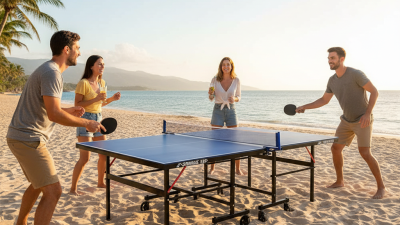
How to Choose an Outdoor Folding Table Tennis Table
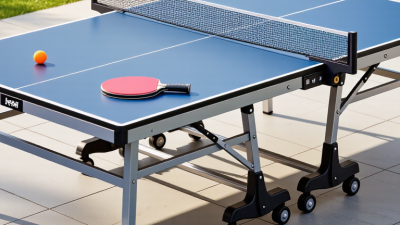
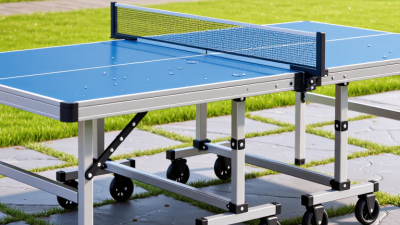
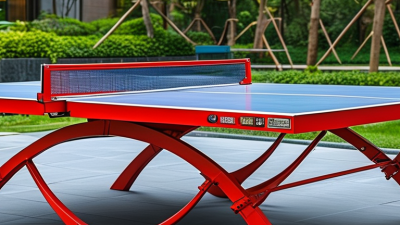
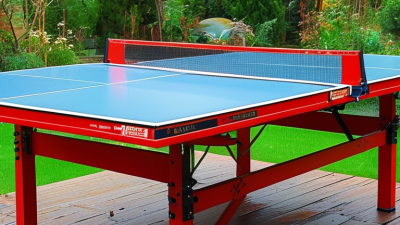
A Table Tennis Table Outdoor Folding model can turn a driveway, patio, or patch of lawn into a place to play. But outdoor use brings real trade-offs. Sunlight fades surfaces, damp air affects materials, and uneven ground can make a table wobble. The right choice depends on where you will set it up, how often you will move it, and how much storage space you have.
Table tennis coach and author Larry Hodges is a recognized voice in the sport, but I could not verify a direct quote from him about choosing outdoor folding tables. Rather than invent one, here is an editorial selection principle: “Choose for the conditions you have, not the setup you hope for.” Keep that distinction in mind. A sturdy frame, weather-resistant playing surface, reliable wheel locks, and a secure folding mechanism matter more than a long feature list. Check the table’s weight, too. A heavier model may feel steadier, but it can be harder to move alone.
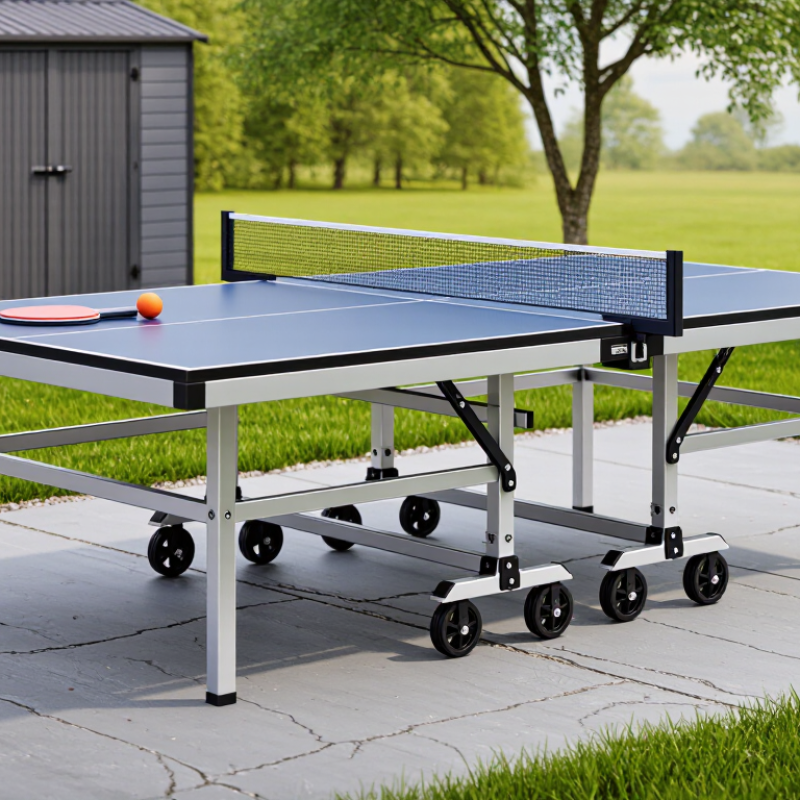
Small details count. Imagine wheeling the table over a cracked patio, then folding it beside a garden shed after play. Will the wheels clear the rough spots? Can one person lock both halves safely? This guide compares those practical details, along with bounce, assembly, and storage. No table is perfect. Outdoor ratings do not mean you can ignore care, and I would be cautious about leaving any model exposed all year.
Define the Table’s Intended Use and Outdoor Setting
How to Choose an Outdoor Folding Table Tennis Table
Define the Table’s Intended Use and Outdoor Setting
Start with who will play and where the table will stand. A family garden table may need easy folding and wheels, while a shared patio setup needs sturdy legs and secure storage. Measure the play area, not just the tabletop. The International Table Tennis Federation specifies a playing surface 2.74 metres long and 1.525 metres wide; leave clear space around it for movement. A narrow deck can make even casual rallies awkward.
Consider sun, wind, rain, and the surface beneath the table. On a breezy terrace, a lightweight folded frame may shift during setup, so check the locking mechanism and stability. Near a pool or coast, look for weather-resistant materials and hardware, then follow the maker’s care instructions. The World Meteorological Organization’s State of the Global Climate 2023 report estimated that global average temperature was about 1.45°C above the 1850–1900 average. That figure is not a local forecast, but it is a useful reminder that outdoor conditions vary; check your area’s exposure rather than assuming a sheltered garden stays dry. I’ve seen plans overlook storage space. It matters.
Tips: Mark the table’s footprint with tape, then test the folding route through gates or doorways. Check whether the chosen spot is level, shaded at peak sun, and protected from gusts. If the table must remain outside, verify its weather-care needs before buying.
Measure Available Space and Required Playing Dimensions
Measure the playing area, not just the table’s folded storage size. The International Table Tennis Federation (ITTF) specifies a playing surface 2.74 metres long and 1.525 metres wide, set 76 centimetres above the floor (ITTF Laws of Table Tennis, Rule 2.1.1). That is only the table. Players also need room to move, swing, and retrieve shots.
For major competitions, ITTF guidance calls for a clear playing area at least 14 metres long, 7 metres wide, and 5 metres high. A home patio rarely needs that much space, but the standard shows how much movement serious play can involve. Open the folding table fully, then mark its edges with tape or chalk. Measure clearance behind both ends and along each side. Include space for a player stepping back, not just standing still. A fence, planter, or low tree branch can interrupt play unexpectedly.
Measure twice. Check doors, steps, uneven paving, and the table’s wheels or locking parts before choosing a spot. A tape line on grass can make the available space look larger than it feels once the table is open. I would also leave room to fold and move the table without scraping a wall. If the space is tight, test it with a few practice swings; a neat floor plan can miss awkward movement.
How to Choose an Outdoor Folding Table Tennis Table - Measure Available Space and Required Playing Dimensions
| Space Plan |
Tabletop Dimensions (L × W) |
Clearance at Each End |
Clearance Along Each Side |
Approximate Playing Area Required (L × W) |
Best Suited For |
| Regulation-size table |
274 × 152.5 cm (9 × 5 ft) |
Not included |
Not included |
Tabletop footprint only: 274 × 152.5 cm |
Checking whether a table fits; this is the standard international playing-surface size. |
| Compact recreational layout |
274 × 152.5 cm (9 × 5 ft) |
1.5 m (4.9 ft) |
1 m (3.3 ft) |
574 × 352.5 cm (18.8 × 11.6 ft) |
Casual play where available space is limited; movement may feel restricted. |
| Balanced home layout |
274 × 152.5 cm (9 × 5 ft) |
2 m (6.6 ft) |
1.5 m (4.9 ft) |
674 × 452.5 cm (22.1 × 14.8 ft) |
Comfortable recreational play with room to move around the table. |
| Roomy play layout |
274 × 152.5 cm (9 × 5 ft) |
2.5 m (8.2 ft) |
2 m (6.6 ft) |
774 × 552.5 cm (25.4 × 18.1 ft) |
More active play, wider movement, and fewer interruptions from nearby obstacles. |
| Smaller outdoor folding table |
Varies by table; check the product’s stated playing-surface dimensions |
Measure to suit your play style |
Measure to suit your play style |
Table length and width, plus the chosen clearance on both ends and sides |
Patios or compact spaces where a full-size playing surface will not fit. |
| Space figures are planning examples, not official clearance standards. Measure the usable area, including nearby walls, fences, furniture, and uneven ground. Folding and storage dimensions vary by table, so check the specific product measurements before buying. |
Compare Weather-Resistant Materials and Tabletop Construction
A folding table’s outdoor label is not enough; inspect what protects the playing surface. Resin-laminated panels resist rain better than untreated wood, while aluminum frames avoid rust-prone steel joints. Still, water can enter through chipped edges or exposed screw holes. Look for sealed panel edges, drainage paths, and corrosion-resistant hardware. Small details matter.
Tabletop thickness and support spacing affect bounce as well as durability. The International Table Tennis Federation’s equipment criteria use a 30-centimeter ball drop, with a compliant surface returning the ball about 23 centimeters. That gives shoppers a useful benchmark, though a showroom test cannot predict years of sun and rain. Check for a dense, even panel and cross-bracing beneath its center; thin panels may flex when a player leans on them. Not just paint. Matte finishes reduce glare, but dark surfaces can become hot in direct sunlight. The U.S. Forest Products Laboratory’s Wood Handbook explains how changing moisture content affects wood dimensions, which is why exposed timber edges deserve extra scrutiny. I would also inspect the folding joints after setup: a weather-resistant top means little if the frame wobbles or traps standing water. One compromise is easy to miss. A heavier top may feel steadier, yet make frequent folding less practical.
Evaluate Folding Design, Mobility, and Storage Needs
When choosing an outdoor folding table tennis table, check how it folds, rolls, and fits your storage space. The International Table Tennis Federation sets the playing surface at 2.74 by 1.525 metres. Measure doorways, sheds, and the path to your playing area before buying. A folded table may still be wide or awkward to turn. Look for a secure locking mechanism and wheels that roll smoothly over your actual surface, not just a showroom floor.
Mobility matters after play, too. The Outdoor Industry Association’s 2024 Outdoor Participation Trends Report estimates that 175.8 million Americans took part in outdoor recreation in 2023. That broad figure does not predict how often a table will be moved, but it highlights the value of equipment that is practical to store between uses. Check the folded footprint and storage height, then leave room for airflow if the table will sit in a shed. A cover helps, though it cannot fix damp storage.
Tips: Fold and roll the table once before committing. Test the latch, wheel clearance, and handle position. If you need two people to move it, be honest about that. I would also check whether the folded halves stay steady on uneven ground; product descriptions can make this detail easy to miss.
Check Safety Features, Warranty, and Overall Value
An outdoor folding table tennis table should feel stable before you judge its bounce. Check that the locking wheels hold firmly and the frame does not rock on a flat surface. Fold each half slowly; reliable locks should engage without forcing them. Keep fingers clear of hinges and folding joints, where pinch points can be easy to overlook. Small details matter. If possible, inspect the table in person, or look for clear photos of its locks, legs, and underside. A thick playing surface may look reassuring, but it cannot compensate for a frame that shifts during play.
Warranty terms help reveal the table’s real value. Read the exclusions. Outdoor use can expose surfaces and frames to rain, sunlight, and temperature changes, while some warranties cover only specific parts or defects. Check how long coverage lasts, whether replacement parts are available, and whether storing the table under cover is required. It is easy to focus on the lowest price; I would reconsider that choice if the net, wheels, or locks are difficult to replace. Still, a longer warranty does not automatically mean better quality. Compare the full cost, including assembly, storage, and basic accessories. A table that folds smoothly and stays steady may be worth more than one with extra features you rarely use.