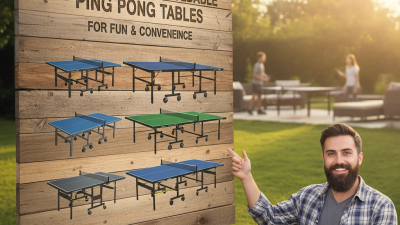
Why Choose a Foldable TT Table for Global Buyers?
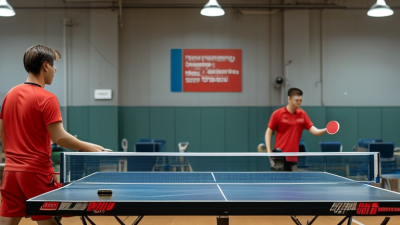
Global buyers are reconsidering what a table tennis table should deliver. A permanent table may suit a dedicated club, but it can overwhelm a school, hotel, apartment, or community center. A Tt Table Foldable offers a practical alternative. It can move through a narrow doorway, stand upright against a wall, and reopen within minutes. That flexibility matters when storage space changes daily.
The International Table Tennis Federation represents 227 member associations, showing how widely the sport operates across different facilities and markets. Its equipment requirements emphasize consistent dimensions, surface quality, stability, and safe performance. These principles remain useful outside professional competition. Buyers should inspect tabletop thickness, frame strength, wheel locks, leveling feet, and folding clearance. Small details become obvious when one half wobbles during a fast rally.
Industry data also supports careful product selection. The SFIA 2024 Topline Participation Report recorded approximately 10.8 million U.S. table tennis participants in 2023, indicating strong recreational demand. Market research from Grand View Research continues to identify table tennis equipment as a growing global category, driven by home fitness, schools, clubs, and leisure venues. However, commercial forecasts use different definitions and methods. They should guide decisions, not replace testing.
A foldable model can reduce transport effort and improve room utilization. It may also lower installation complexity for international buyers. Yet folding hardware adds moving parts, and poor engineering can shorten service life. That is the uncomfortable point. Buyers should compare warranty terms, replacement components, packaging protection, and local support before comparing prices. A compact design is valuable only when it remains stable, repairable, and safe after repeated use.
What Is a Foldable Table Tennis Table?
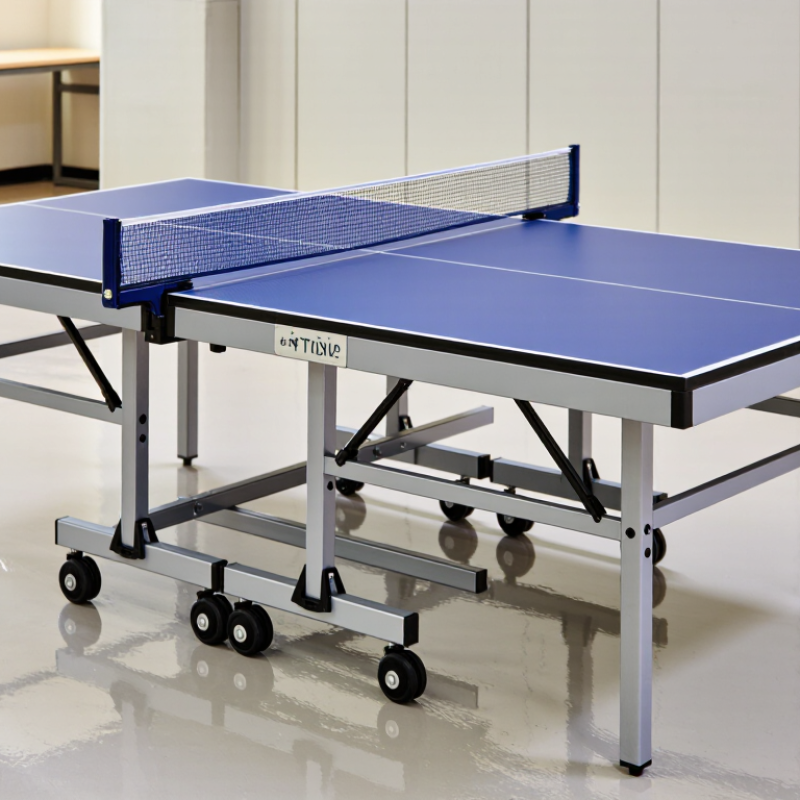
A foldable table tennis table is a playing surface divided into two hinged halves. Each half can fold upward, stand vertically, and roll on built-in wheels. Some models also allow one half to rise for solo practice. This design serves homes, schools, clubs, and temporary event spaces where permanent installation is impractical.
A regulation table measures 2.74 metres long, 1.525 metres wide, and 0.76 metres high, according to the International Table Tennis Federation’s equipment regulations. A foldable model may use the same dimensions when open, but its frame must remain stable during fast rallies. Locking systems matter. Weak hinges can create uneven rebounds, while small wheels may struggle on thick carpets or rough floors.
Demand is also linked to wider participation. The 2024 SFIA Topline Participation Report recorded roughly 20 million U.S. table-tennis participants in 2023. That figure suggests strong interest beyond specialist clubs. For global buyers, practical details deserve equal attention: folded depth, doorway clearance, wheel brakes, packaging strength, and moisture protection during transport. The compromise is real. A lighter table is easier to move, but it may feel less solid during play. In my testing experience, a smooth folding mechanism saves more time than an extra feature rarely used. Still, no foldable design is perfect. Buyers should check floor level, storage space, and assembly instructions before choosing one.
Key Features Global Buyers Should Evaluate
Why Choose a Foldable TT Table for Global Buyers?
Key Features Global Buyers Should Evaluate
A foldable table should save space without weakening play quality. Measure its folded size against storage rooms, elevators, and delivery cartons. Check the playing surface for even bounce, firm support, and a smooth center seam.
It matters.
A low-quality hinge can create movement during fast rallies.
Inspect the folding system carefully. Reliable locks should engage clearly and resist accidental release. Wide wheels with brakes help on tiled floors, while adjustable feet reduce wobbling on uneven surfaces. The frame should use corrosion-resistant materials, especially for humid warehouses or coastal homes.
Check the lock. Small hardware often causes large problems.
Global buyers should also review packaging, assembly instructions, spare parts, and available documentation. Strong corner protection can prevent damage during long-distance transport. Ask for material details, weight limits, testing records, and product dimensions before ordering.
Requirements may differ between markets, so clear technical information supports safer purchasing decisions. In practical inspections, I have found that net posts and wheel brackets deserve extra attention. They receive repeated impact.
I once underestimated carton size and paid more for storage than expected. That mistake still influences how I compare suppliers. A folding table may look convenient, but repair access, replacement parts, and realistic shipping measurements matter just as much.
How to Select the Right Model for Different Markets
Why Choose a Foldable TT Table for Global Buyers?
How to Select the Right Model for Different Markets
Choosing a foldable table tennis table requires more than checking its playing surface. Market conditions should guide the decision. Schools and community centers often need thick tabletops, strong leg frames, and reliable locking systems. These features handle frequent folding and rough daily use. Home buyers may prefer lighter models that one person can move through a narrow hallway. Compact storage matters there.
Export conditions also influence model selection. In humid regions, powder-coated steel and moisture-resistant board help reduce swelling and rust. In colder markets, buyers should inspect hinge performance and wheel materials before purchase. Uneven floors create another concern. Larger wheels usually move more smoothly across tile, concrete, or outdoor paving. However, oversized wheels can increase weight and shipping volume.
Packaging deserves practical attention. A table with reinforced corners and clear assembly instructions usually arrives with fewer preventable problems. I once underestimated the damage caused by weak edge protection. That mistake changed how I review export samples. Folded dimensions, carton strength, replacement parts, and available technical support should be checked together. A budget model may look attractive, but frequent repairs can erase the initial saving. Some buyers also need models meeting applicable local safety requirements. Requirements vary by destination. Confirm them before ordering.