• 6604cbd371a4449819
  • 6604cbd419bc838451
  • 6604cbd49542673381
  • 6604cbd51ce2b59534
  • 6604cbd59973f46036
Inquiry
Form loading...

Top 10 Foldable Table Tennis Tables for Buyers

A foldable table tennis table must do more than collapse neatly. It should open without a struggle, lock securely, and stay steady when a fast rally reaches the edge. For buyers comparing the Top 10 Foldable Table Tennis Tables, small details matter: wheel size, frame weight, storage footprint, and whether one half can stand upright for solo practice. A table that looks sturdy in a product photo may still wobble on an uneven garage floor. Check the practical things.

Equipment reviewer Alex Carter puts the buying test this way: “A folding table earns its place when setup feels simple and play feels solid.” That is the standard behind this guide. We compare tables for home recreation, shared family use, and more focused practice, while noting where convenience can come with trade-offs. Thicker tops may improve bounce consistency, but they can make moving the table harder. Larger wheels can help over a threshold, yet they do not replace a stable locking system.

The right Tt Table Foldable model depends on your space, budget, and how often you play. Measure the storage area before ordering; leave room for the table to unfold and for players to move around it. Also check assembly requirements and warranty details directly with the seller, since specifications can vary by version. No table is perfect for every room. This roundup aims to make the compromises clearer, so buyers can choose with fewer surprises and more confidence.
Top 10 Foldable Table Tennis Tables for Buyers

What Defines a Foldable Table Tennis Table

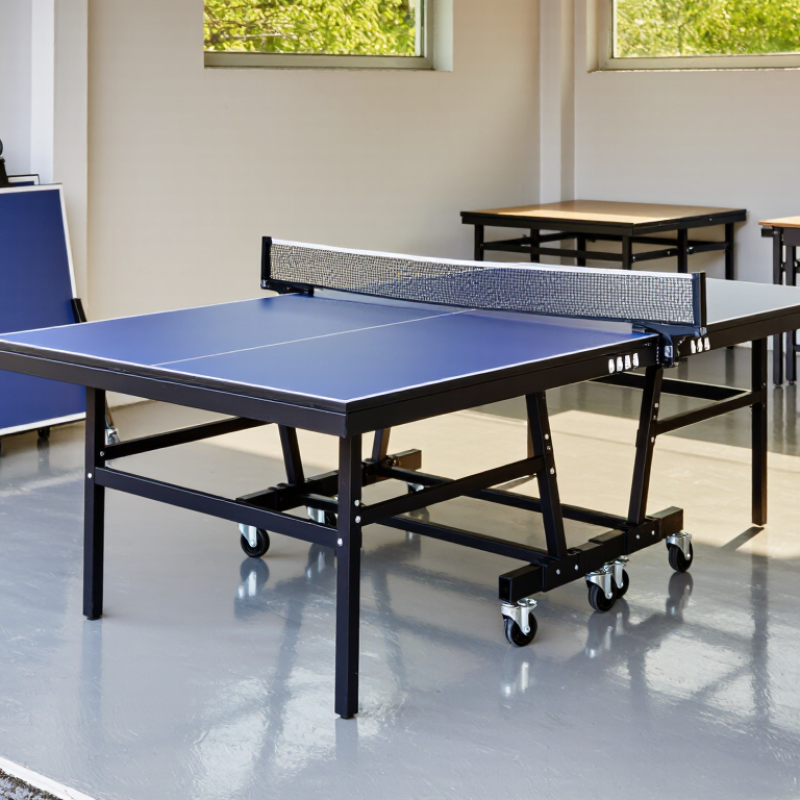
A foldable table tennis table is defined by more than a top that bends in half. Its frame, hinges, locking points, and wheels must work together to make storage practical and play stable. When opened, the two halves should meet evenly, with no obvious dip or rocking. Small gaps matter. They can change how a ball bounces near the center.

Look closely at how each half folds and locks. A secure latch helps prevent unwanted movement during play, while wide, steady legs support the surface. Wheels should roll smoothly but stay put when brakes are engaged. Check the folded footprint against your actual storage space; a table that fits a product photo may not fit beside a crowded garage shelf. Playback mode, where one half stands upright for solo practice, can be useful, but it does not replace a full playing surface.

Top thickness and construction also affect feel and durability. A thicker playing surface often gives a more consistent bounce, though the frame and support structure matter too. I may be overly cautious, but buyers sometimes focus on easy folding and overlook stability. That is understandable. Folding should feel simple, not flimsy, and setup should not require wrestling with a heavy frame. A quick inspection of hinges, locks, and wheel brakes can reveal more than appearance alone.

Top 10 Foldable Table Tennis Tables for Buyers — What Defines a Foldable Table Tennis Table

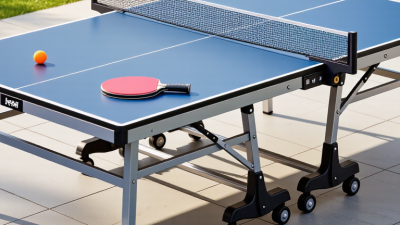
A foldable table is designed so its playing halves can be raised for compact storage; many models also use wheels for easier movement. Folding features vary, but a full-size table’s playing dimensions follow the standard shown here. Dimensions are based on ITTF regulations.

Key Features Buyers Should Compare

When comparing foldable table tennis tables, inspect the playing surface before judging the frame or accessories. A thicker, level top often gives a more consistent bounce, but thickness alone cannot confirm quality. Check for a flat finish, firm support underneath, and seams that sit flush. If possible, bounce a ball near the center and close to each edge. Listen, too. A hollow sound may point to uneven support, though it is not proof of a defect.

Folding systems deserve close attention. Open and close the table several times, checking that both halves lock securely and move without twisting. Large wheels can help on rough floors; brakes keep the table from drifting during play. For solo practice, confirm that one half can stand upright independently. Test the release handles carefully. Pinched fingers are no fun.

Measure the storage space, including doorways and turns, not just the folded table. Compare the listed dimensions with your actual route to a garage or closet. Also check whether the net is removable, how much assembly is required, and whether replacement parts are available. One easy mistake is focusing on the playing surface while overlooking storage. I might still choose a slightly heavier table if its frame feels steadier, but moving it alone could change that decision.

Types of Foldable Tables for Different Spaces

Foldable table tennis tables differ less by appearance than by how they move and store. In a small apartment, a compact model with folding legs can slide beside a wardrobe. Its smaller surface changes ball bounce and timing. Measure the doorway, storage depth, and clear playing area before buying. Space matters. Even careful measurements can miss an awkward turn in a hallway.

A full-size, two-piece table with wheels suits a garage, recreation room, or club space. Each half can fold upright, leaving floor area open between games. Some models raise one half for solo practice. Check the braces and wheels on your actual floor; a thick rug or threshold can make moving the table frustrating. Not every room.

For patios or shared outdoor areas, look for a weather-resistant table designed for outdoor use. These models can be heavier, so consider where they will be stored when not in play. A simple folding-leg table may be easier to carry, but it may feel less stable during fast rallies. Think about who will set it up, how often it will move, and whether the available space allows safe movement around all four sides. A tape measure helps, but it cannot tell you whether the room will feel cramped once people start playing.

How the Top 10 Tables Differ in Performance and Design

Across the top ten foldable table tennis tables, performance differences often begin with the playing surface and frame. The International Table Tennis Federation specifies a 2.74-meter length, 1.525-meter width, and 76-centimeter height. Its rules also describe a roughly 23-centimeter rebound when a ball is dropped from 30 centimeters. These benchmarks help buyers judge whether a compact design still offers regulation-style play. Thicker tops may feel steadier, while lighter models are easier to move but can vibrate during hard rallies.

Design shapes daily use. Tables with independent folding halves allow solo practice, while linked panels can open faster for doubles. Wide wheel spacing and secure locks matter on uneven garage floors. A metal frame may resist flex, yet extra weight can make storage awkward. Heavier does not always mean better. I would check hinge alignment and wheel brakes in person; product specifications rarely reveal how smoothly a table folds after repeated use.

Tips: Test the latch, brakes, and playback position before buying. Measure the storage doorway, too. A few centimeters can matter. Compare surface thickness, frame support, and folded dimensions, not just the price. One detail is easy to miss: a slightly uneven floor can change how stable a lightweight table feels.

Top 10 Foldable Table Tennis Tables for Buyers - How the Top 10 Tables Differ in Performance and Design

The entries below compare common foldable-table designs rather than named products. Dimensions and weights are indicative ranges; actual specifications vary by model. A regulation-size playing surface is 274 × 152.5 cm (9 × 5 ft), with a playing height of 76 cm.

Type Typical Top Thickness Approx. Weight Bounce and Play Fold and Storage Design Best Suited For Main Trade-off
1. Competition-style indoor 22–25 mm Approx. 90–120 kg Thick playing surface generally supports a more consistent bounce for advanced practice. Two-piece top folds upright; large wheeled undercarriage. Clubs, serious practice, and dedicated game rooms. Heavy and takes up substantial storage space.
2. Recreational full-size indoor 16–19 mm Approx. 65–90 kg Reliable for family play and regular casual rallies; typically less uniform than a thicker top. Folding halves with locking supports and transport wheels. Home use where full-size play matters. Needs a large, dry indoor area.
3. Value-focused indoor 12–15 mm Approx. 50–75 kg Suitable for occasional play; thinner tops can produce a less even bounce. Basic fold-up frame, often with compact wheels. First-time buyers and light recreational use. Lower mass and thinner tops may feel less solid during play.
4. Outdoor weather-resistant 4–7 mm resin-laminate top Approx. 55–85 kg Designed to resist outdoor conditions; bounce may differ from a thick indoor wood-based top. Weather-resistant surface and corrosion-resistant frame; folds for storage. Patios, garages, and covered outdoor areas. Weather resistance does not eliminate the need for care and protection.
5. Compact-fold full-size 12–19 mm Approx. 55–85 kg Play quality depends on top thickness; full playing dimensions when opened. Designed to fold into a relatively narrow upright profile. Homes with limited storage but enough room to play. Check folded dimensions and doorway clearance before purchase.
6. Playback-practice design 12–19 mm Approx. 55–90 kg One half can be raised for solo rebound practice; both halves work for regular play. Independent folding halves with a playback position. Solo training and households with varied playing schedules. Playback practice does not replace rallies with an opponent.
7. Easy-mobility design 12–19 mm Approx. 50–80 kg Ranges from casual to regular home play, depending on the surface and frame. Large, multi-wheel chassis helps with movement across suitable floors. Users who frequently move the table between rooms. Wheel size and floor condition affect ease of movement; the table remains bulky.
8. Fixed-leg folding-top design 12–22 mm Approx. 60–100 kg Stability depends on frame bracing and floor level; top thickness determines much of the bounce feel. Playing halves fold while the leg structure stays assembled. Spaces where setup is infrequent and a sturdy frame is preferred. Can be less compact to store than designs with a fully folding undercarriage.
9. Junior-size foldable Approx. 9–15 mm Approx. 20–45 kg Smaller playing area is easier for children but is not regulation size. Smaller folding sections and lighter frame for easier storage. Children, beginner play, and smaller rooms. Not suitable for full-size practice or regulation play.
10. Rollaway club-style 19–25 mm Approx. 80–115 kg Thicker tops and rigid support systems are intended for frequent, consistent play. Heavy-duty folding frame, locking mechanisms, and large transport wheels. Frequent home or community-room use with a clear storage area. Higher weight can make handling and stairs difficult.

Buyer note: Weight, top thickness, frame design, wheel arrangement, and folding clearances are product-specific. Confirm the manufacturer's current specifications, safety locks, assembled dimensions, and folded dimensions before buying.

Choosing a Table for Your Budget and Playing Needs

Choosing a foldable table starts with how often and where you will play. The ITTF Handbook specifies a regulation playing surface of 2.74 by 1.525 metres, with a height of 76 centimetres. Allow extra room for movement, especially behind each end. A standard-size table may feel cramped in a narrow garage, even when it technically fits.

Budget depends on more than the purchase price. Check the frame, wheel locks, folding mechanism, and whether one half can stand upright for solo practice. SFIA’s 2024 Topline Participation Report recorded about 3.3 million U.S. table-tennis participants in 2023, but broad participation figures cannot tell you how durable a particular table will be. For casual family games, easy storage may matter more than tournament-level bounce. I’d measure the doorway too; that detail is easy to overlook.

Tips: Measure the playing area and storage route before buying. Compare folded dimensions, not just the open-table size. If you play often, test the locking system and check whether the tabletop feels stable when lightly pressed. A little wobble matters. For occasional play, a simpler model may be enough.