Top App Controlled Table Tennis Robots you Need to Try?
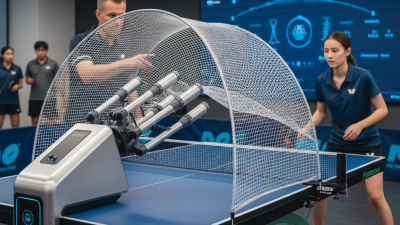
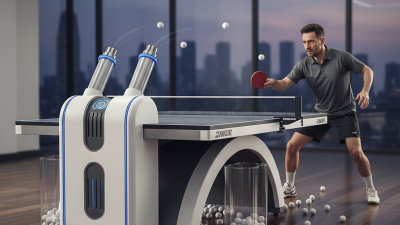
In the world of sports technology, the App-Controlled Table Tennis Robot stands out as an innovative training tool. These robots offer enthusiasts an opportunity to sharpen their skills at any time. Imagine being able to practice your serve, receive feedback, and adjust your technique—all from your smartphone.
Each App-Controlled Table Tennis Robot features unique functionalities. Some allow users to customize shot types and intensity levels. Others track performance statistics, helping you identify areas for improvement. However, not all robots deliver an ideal experience. The complexity of app interfaces can be frustrating. Users may require some time to fully leverage the technology.
Nevertheless, the potential benefits are undeniable. A well-designed App-Controlled Table Tennis Robot can provide valuable feedback. They mimic real opponents, enhancing both competitive skills and reaction times. As this technology continues to evolve, it promises to reshape how players of all levels approach training. Consider trying these robots for an engaging experience that combines fun with serious practice.
Overview of App-Controlled Table Tennis Robots
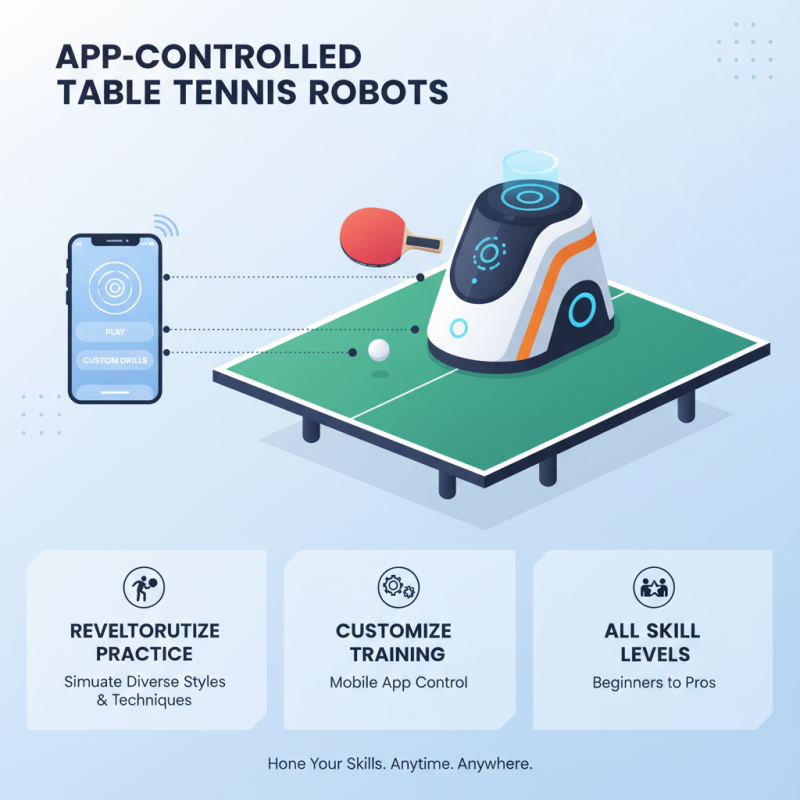
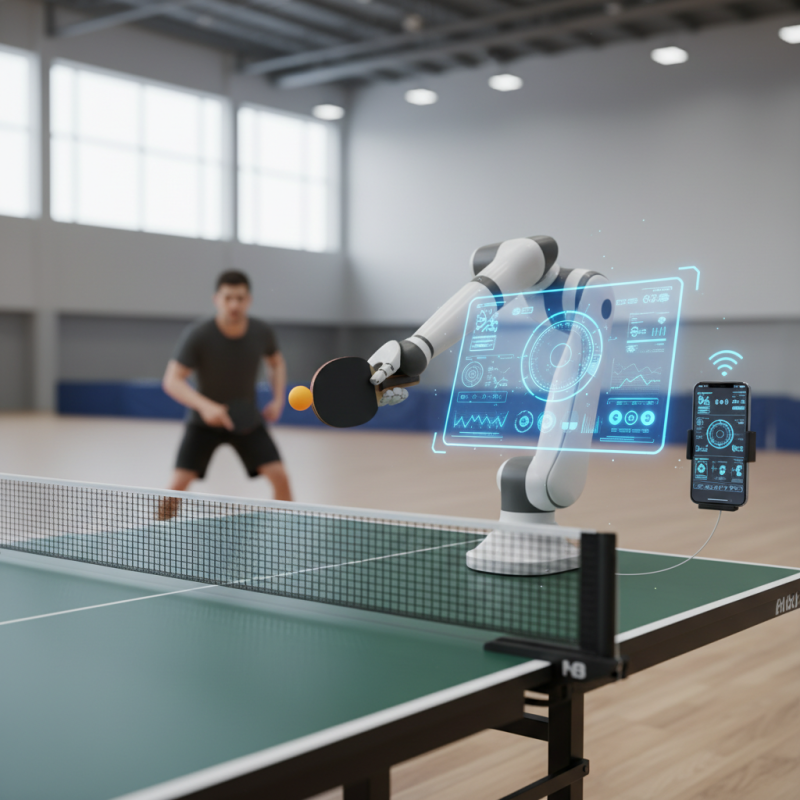
App-controlled table tennis robots are revolutionizing how we practice. These innovative machines can simulate various playing styles and techniques. Users can customize their training sessions through mobile applications. This technology caters not only to beginners but also to seasoned players looking to hone their skills.
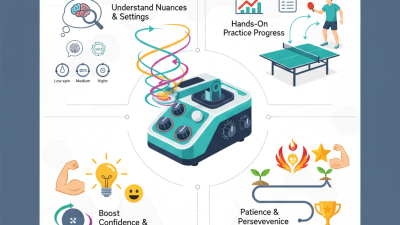
Tips for using these robots effectively include starting with basic settings. Adjust the speed and spin according to your skill level. Begin with straightforward exercises to build confidence. As you grow comfortable, gradually increase the challenge by altering the robot's settings. This incremental approach can enhance both your focus and strategy during practice sessions.
The feedback provided by these devices can sometimes feel overwhelming. Players may find themselves stuck in a cycle of practice without immediate improvement. It's crucial to take breaks and reflect on your progress. Analyze areas where you struggle and incorporate drills that target those weaknesses. Remember, consistency combined with thoughtful practice leads to significant growth over time.
Key Features to Look For in Table Tennis Robots
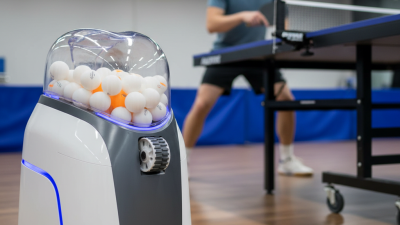
When exploring the world of table tennis robots, several key features stand out. First, ball speed and spin capabilities are crucial. Robots should offer varied speed to simulate real opponents. Research shows that players benefit from varied ball trajectories, improving response time and adaptability.
Another important feature is programmability. A good robot should allow customizable drills. Players can select shot patterns, spin types, and frequency. This aligns with data from sports training techniques, where personalized practice is linked to skill improvement. Many top players employ specific drills to target weaknesses.
Tips: Always test the robot's settings before a practice session. Adjusting the spin can mimic different playing styles. Regular adjustments keep practice sessions engaging.
Lastly, consider the
build and
durability. A stable, robust design is vital for intense play. Feedback from users highlights that durability impacts long-term satisfaction. Investing in a reliable robot ensures you can practice consistently. Remember, a good robot is an investment in your game. Keep these features in mind as you explore your options.
Top Brands Offering App-Controlled Table Tennis Robots
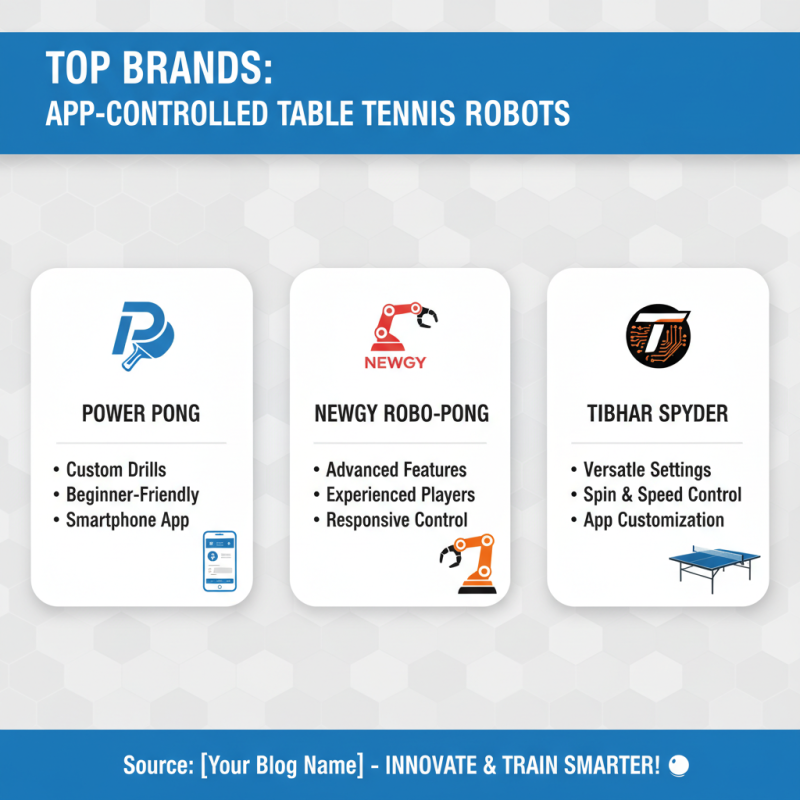
When it comes to app-controlled table tennis robots, various brands stand out in the market. These innovators offer advanced features that cater to both beginners and experienced players. With intuitive smartphone apps, these robots allow users to customize drills and settings for practice. The level of control you gain is impressive. Yet, it’s essential to note that not all robots perform equally. Some may lack the responsiveness or range of features you expect.
One prominent feature is the ability to simulate different playing styles. This can significantly enhance your training sessions. However, some players may find it overwhelming. The choice of settings can be confusing, especially for newcomers. In contrast, more experienced players may appreciate the depth of customization available. Balancing the features with ease of use remains a challenge for many brands.
Many brands focus on creating a user-friendly app interface. This simplifies the connection between the robot and your device. Getting a smooth experience can sometimes be hit or miss. It's frustrating when the app fails to sync or drops connections. These small issues can detract from the practice experience. Seeking user reviews can help navigate these pitfalls.
How to Choose the Right Table Tennis Robot for Your Needs
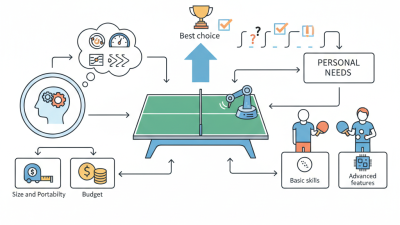
Choosing the right table tennis robot involves various factors. Start by determining your skill level. Beginners might prefer robots with basic features. Advanced players often look for more complex functionalities. A study by the International Table Tennis Federation shows that 70% of players benefit from consistent practice. Thus, selecting a robot that aligns with your goals is critical.
Next, consider the robot's training modes. Some machines offer a range of drills, catering to different techniques. Data indicates that 80% of coaches emphasize the importance of diverse training. Automated spin and speed adjustments can enhance your performance. Yet, many users overlook these settings. Take the time to explore what each mode offers.
Lastly, assess the robot's build quality and ease of use. Features such as portability and setup time matter. Reports suggest that nearly half of table tennis enthusiasts prefer user-friendly designs. Robust construction ensures longevity. Don't forget to read reviews. They often reveal issues that technical specifications don’t address. Even the best robots might have flaws. Identifying these can steer you towards a better choice.
Top App Controlled Table Tennis Robots - Performance Comparison
User Reviews and Experiences with App-Controlled Robots
User reviews on app-controlled table tennis robots reveal a mix of excitement and challenges. Many users appreciate the convenience of controlling their practice sessions through apps. They enjoy customized drills and adaptive difficulty levels. However, some also face connectivity issues. The Wi-Fi or Bluetooth links can sometimes be unreliable. Users have reported interruptions during matches, leading to frustrating experiences.
Feedback indicates that setting up the robot can be tricky. Some found the initial configuration confusing. Clearer instructions and visual aids in app interfaces would significantly enhance user experience. Despite these hurdles, gamers insist on the benefits of consistent practice. Regular use builds reflexes and sharpens skills, proving essential for progress.
Tips for a smoother experience include making sure your app is updated regularly. This can prevent bugs and improve connectivity. Also, keep the robot's software up to date. Many users recommend using a dedicated device for your training sessions. This way, there are fewer distractions. Embracing the imperfections in the setup process can lead to better patience and resilience in your practice.